

Short Statistics Awareness Slogans
Numbers tell a story.
Know your numbers.
Think beyond the number.
Data deserves attention.
Read the data.
Question the numbers.
Facts need context.
Statistics shape decisions.
Count carefully.
Measure what matters.
Data informs, thinking decides.
Numbers need understanding.
Check before you conclude.
Think critically about statistics.
Good data, better decisions.
Evidence starts with data.
Numbers need context.
Learn the statistics.
Ask what the numbers mean.
Make data count.
Catchy Statistics Awareness Slogans
Count it, check it, understand it.
Know the data before you make the call.
Numbers speak, but context explains.
Read the chart, understand the story.
Data first, assumptions last.
Check the facts behind the figures.
Smart choices start with smart statistics.
Look at the numbers, then look again.
Count wisely, decide wisely.
Data can guide, but thinking must lead.
Make every number meaningful.
From numbers to knowledge.
Statistics today, smarter decisions tomorrow.
See the pattern, question the claim.
Better data, clearer thinking.
Turn numbers into understanding.
Don’t just count—interpret.
Data matters when meaning matters.
Think critically, count accurately.
Let evidence lead the way.
Powerful Statistics Awareness Slogans
Numbers can influence decisions, so understand them carefully.
Good decisions require more than good-looking numbers.
Statistics deserve scrutiny, not blind acceptance.
Data becomes powerful when interpreted responsibly.
Evidence should guide decisions, not misleading figures.
A percentage without context can tell an incomplete story.
Question the method behind every important statistic.
Statistical literacy strengthens informed decision-making.
Reliable conclusions begin with reliable data.
Do not let numbers replace critical thinking.
Understand the evidence before trusting the claim.
Data can inform the truth when handled responsibly.
Every statistic has a source and a story.
Strong conclusions require sound statistical reasoning.
Responsible data use builds informed communities.
Statistics should clarify reality, not distort it.
Look beyond the headline number.
Understand uncertainty before making certainty claims.
Data deserves accuracy, context, and transparency.
Think critically wherever numbers shape decisions.
Statistics Awareness Slogans for Students
Learn the numbers, understand the world.
Statistics turns data into knowledge.
Ask questions about every dataset.
Learn to read beyond the graph.
Numbers become useful when you understand them.
Think critically about statistical claims.
Measure, compare, analyze, learn.
Statistics is more than formulas.
Read the data before writing the conclusion.
Check the source before trusting the statistic.
Learn the story behind the numbers.
Good analysis starts with good questions.
Make evidence part of your thinking.
Understand averages before making comparisons.
Look for patterns, but check the context.
Learn statistics, strengthen your reasoning.
Data literacy is a life skill.
Be curious about what numbers reveal.
Question, calculate, interpret, explain.
Smart students ask what the numbers mean.
Statistics Awareness Slogans for Schools
Build a school culture that understands data.
Teach students to question statistical claims.
Strong data skills build stronger learners.
Make statistical thinking part of everyday learning.
Numbers belong beyond the math classroom.
Teach the difference between data and assumptions.
Help students read graphs with confidence.
Encourage curiosity through data.
Turn classroom numbers into real-world understanding.
Learn to interpret before you conclude.
Data literacy prepares students for informed choices.
Teach evidence, context, and critical thinking.
Every chart is an opportunity to learn.
Make statistics meaningful through real examples.
Help young minds become data-smart.
Schools can grow better thinkers through statistics.
Learn the numbers, challenge the claims.
Teach students to ask better data questions.
Statistics connects learning with real life.
Make data literacy part of every learner’s toolkit.
Data Literacy Slogans
Data literacy starts with asking questions.
Understand data before using data.
Read, question, interpret, decide.
Data skills create informed thinkers.
Know where your data comes from.
Good data literacy builds good judgment.
Learn to recognize misleading statistics.
Understand the numbers behind the story.
Data literacy is more than reading charts.
Question definitions, samples, and sources.
Check how the data was collected.
Learn what the numbers can and cannot say.
Turn data into informed understanding.
Better data skills, better everyday decisions.
Make evidence easier to understand.
Data literacy empowers thoughtful choices.
Read statistics with confidence and care.
Learn to spot patterns and limitations.
Understand uncertainty, not just averages.
Think like a data-literate citizen.
Research Statistics Slogans
Strong research begins with sound data.
Good statistics strengthen good research.
Measure carefully, analyze responsibly.
Research deserves reliable evidence.
Let methodology guide interpretation.
Sample wisely, conclude carefully.
Every dataset has limitations.
Statistical analysis should serve the research question.
Good research asks better questions.
Evidence grows through careful analysis.
Check the method behind the result.
Reliable research needs responsible statistics.
Data quality matters at every research stage.
Analyze the evidence, not the expectation.
Transparent methods build research trust.
Let results speak within their limits.
Sound statistics support credible conclusions.
Research with rigor, report with clarity.
Question bias before interpreting results.
Good statistics help research tell the truth clearly.
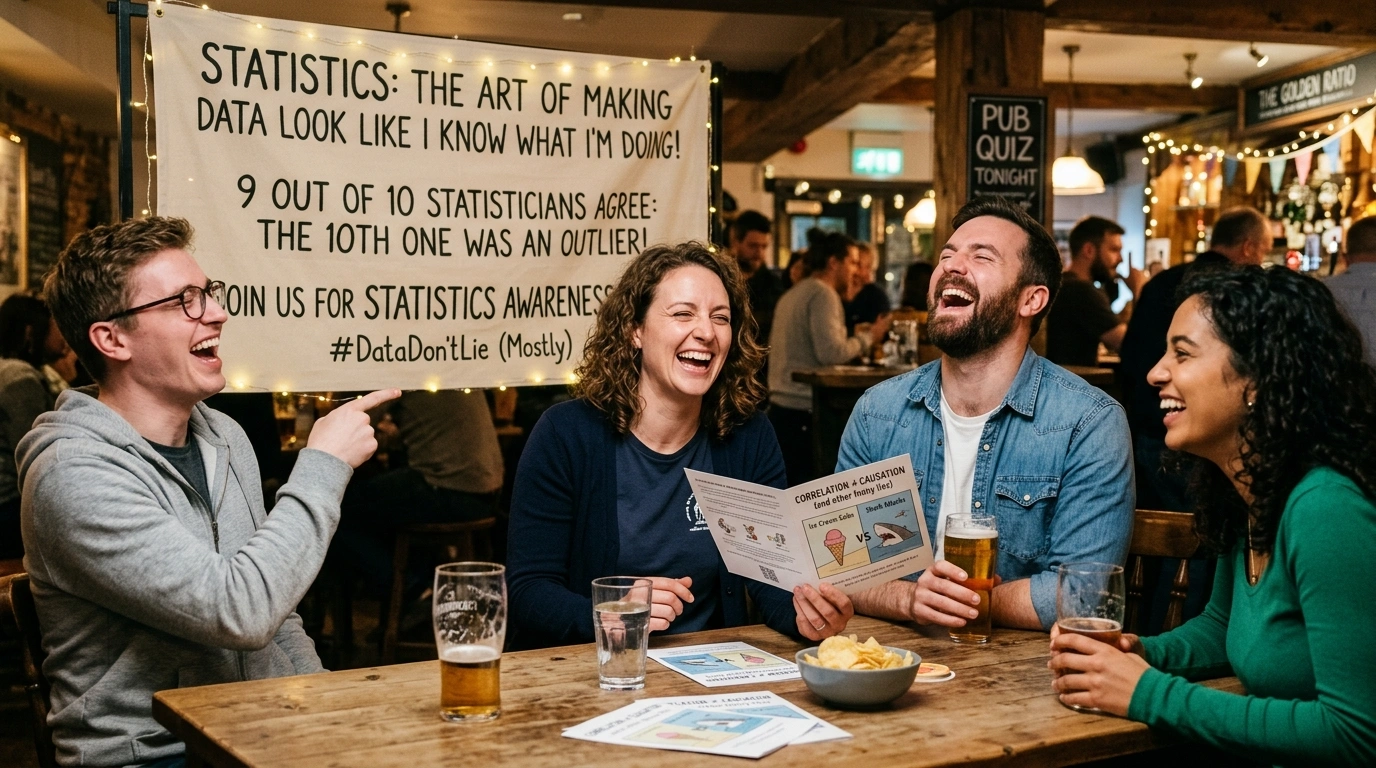
Statistics Awareness Slogans for Posters
Stop. Check. Understand the numbers.
Don’t let one number tell the whole story.
Read the evidence behind the headline.
Every percentage needs context.
Check the source before sharing the statistic.
A graph can inform—or mislead.
Think twice before trusting a number.
Data deserves a closer look.
Numbers need interpretation.
Question the claim behind the chart.
Look beyond averages.
Understand the sample.
Ask where the data came from.
Check what is being measured.
Statistics need context, not assumptions.
Read charts critically.
Make evidence your guide.
Think before you share the number.
Data awareness starts with curiosity.
Better questions create better understanding.
Statistics Awareness Slogans for Social Media
Don’t share the statistic until you check the source.
A viral number still needs verification.
Context matters as much as the number.
Read beyond the headline.
Question the chart before sharing it.
Data literacy belongs on every feed.
Check the source, then share the statistic.
Not every percentage tells the full story.
Think before you repost the numbers.
Smart scrolling includes statistical thinking.
Data can inform your feed—if you read it carefully.
Look for evidence behind the claim.
One number is rarely the whole story.
Verify today, understand tomorrow.
Make fact-checking part of data awareness.
Numbers go viral; context should too.
Don’t confuse correlation with causation.
Check the sample before trusting the result.
Follow the evidence, not the hype.
Make your timeline more data-literate.
Statistics Awareness Campaign Slogans
Start the conversation with reliable data.
Make statistical literacy a shared priority.
Turn data awareness into informed action.
Build communities that understand evidence.
Promote critical thinking through statistics.
Help people recognize misleading numbers.
Make data easier to understand and question.
Raise awareness, improve data literacy.
Encourage evidence-based thinking.
Put statistical thinking into everyday decisions.
Teach people to ask better data questions.
Make trustworthy information easier to recognize.
Build confidence through statistical understanding.
Support informed choices with better data skills.
Bring context back to the numbers.
Create a culture of evidence and inquiry.
Help communities become smarter data users.
Turn statistics into informed conversations.
Make every number accountable to its context.
Better statistical awareness, better-informed decisions.
Creative Statistics Awareness Slogans
Numbers have voices; context gives them meaning.
Don’t let a lonely number make the argument.
Behind every percentage is a question.
Give your data a second look.
Let evidence tell the story, not assumptions.
Every chart has a message—read between the lines.
Numbers are clues, not automatic conclusions.
Put your curiosity in the dataset.
Data is the map; context is the compass.
A statistic is a starting point, not always the finish line.
Count the facts, question the frame.
Let your questions be as strong as your calculations.
The smartest number is the one you understand.
Data speaks differently when context enters the room.
Don’t just follow the graph—follow the evidence.
Statistics can reveal patterns hiding in plain sight.
Turn data points into thoughtful questions.
A percentage can be precise and still misunderstood.
Give every number the context it deserves.
Think beyond the decimal point.
Funny Statistics Awareness Slogans
Keep calm and check the sample.
Trust your data, but verify it.
Statistics: where “probably” gets serious.
Don’t let a pie chart eat your common sense.
Averages don’t know everything.
Correlation is not causation’s twin.
Your calculator deserves better questions.
Numbers can be funny; misleading data isn’t.
Don’t date a statistic without checking its source.
One percentage walked into a context problem.
Beware of graphs wearing fancy labels.
A large number isn’t automatically a strong argument.
Keep your assumptions away from the dataset.
Mean, median, mode—and plenty of questions.
Statistics can count on you to think.
Don’t let the chart do all your thinking.
Every sample has a story to tell.
Data without context is asking for trouble.
Your graph needs more than good looks.
If the number sounds too perfect, investigate.
Statistics Awareness Slogans for Data-Driven Decisions
Let evidence guide important choices.
Better data supports better decisions.
Measure before you decide.
Use evidence, not assumptions.
Data can sharpen decision-making.
Ask for evidence before accepting conclusions.
Compare the right numbers.
Make decisions with context in mind.
Good decisions start with good questions.
Use data to reduce guesswork.
Let patterns inform, not dictate, your judgment.
Understand uncertainty before acting.
Data supports decisions when interpreted carefully.
Choose evidence over instinct when evidence is available.
Measure outcomes, learn from results.
Use reliable information to guide action.
Don’t confuse more data with better data.
Clear decisions need clear evidence.
Let statistics inform your next move.
Think critically, decide confidently.
Statistics Awareness Slogans for Charts and Graphs
Read the axis before reading the message.
Every graph needs a careful reader.
Check the scale, then study the trend.
A chart can clarify or confuse.
Read labels before drawing conclusions.
Look at the whole graph.
Check what the colors and symbols represent.
Understand the units behind the chart.
A dramatic graph may need a closer look.
Compare scales before comparing results.
Read the legend, not just the headline.
Good graphs make data easier to understand.
Clear visuals need careful interpretation.
Don’t judge a trend from one point.
Check the timeframe before making comparisons.
A graph is evidence, not an automatic conclusion.
Understand the chart before sharing the chart.
Look for missing information.
Read the source beneath the graph.
Smart readers question visual statistics.
Statistics Awareness Slogans for Everyday Life
Statistics shape more of life than you think.
Read numbers before making everyday choices.
Compare prices with context.
Understand percentages before making decisions.
Check reviews beyond the average rating.
Numbers influence what we buy and believe.
Data literacy belongs in daily life.
Make informed choices with better number sense.
Understand risk before reacting to it.
Don’t let statistics make decisions for you.
Question claims in advertisements.
Check the numbers behind everyday promises.
Use evidence when comparing options.
Understand probability before judging risk.
Numbers can guide smarter choices.
Read the fine print behind the figures.
Make statistics part of your everyday thinking.
A little data knowledge goes a long way.
Think critically about numbers you encounter.
Everyday decisions deserve informed thinking.
How to Improve Statistics Awareness
Building statistics awareness is not only about learning formulas. It is also about developing the habit of asking where numbers came from, what they measure, and whether the conclusion matches the evidence.
Check the source: Find out who collected or published the data.
Understand the sample: Ask who was included and whether the sample represents the wider population.
Look for context: A percentage, average, or trend can be misleading without background information.
Read charts carefully: Check labels, scales, units, time periods, and legends.
Question comparisons: Make sure the groups or measurements being compared are genuinely comparable.
Watch for bias: Consider how the wording, collection method, or selected data might influence results.
Understand uncertainty: Statistical estimates are not always exact and may involve uncertainty or margins of error.
Distinguish correlation from causation: Two things changing together does not automatically mean one caused the other.
Compare multiple sources: Reliable conclusions are stronger when supported by trustworthy evidence from more than one source.
Ask what the statistic cannot tell you: Knowing the limits of data is just as important as knowing its findings.
When to Use Statistics Awareness Slogans
Statistics awareness slogans can be adapted for education, research, public communication, and professional settings.
Schools and classrooms: Use them on bulletin boards, math displays, data literacy projects, and student presentations.
Universities: Add them to research events, statistics courses, seminars, and academic campaigns.
Research organizations: Use them to promote responsible analysis, transparent methods, and evidence-based thinking.
Data literacy campaigns: Pair slogans with simple examples showing how statistics can be interpreted correctly.
Public awareness programs: Encourage people to question misleading numbers and seek reliable sources.
Social media: Use short slogans alongside charts, fact-checking tips, and educational content.
Business presentations: Add data-awareness messages to training sessions and analytics programs.
Posters and events: Choose bold, concise slogans that encourage people to stop and think about the numbers they encounter.